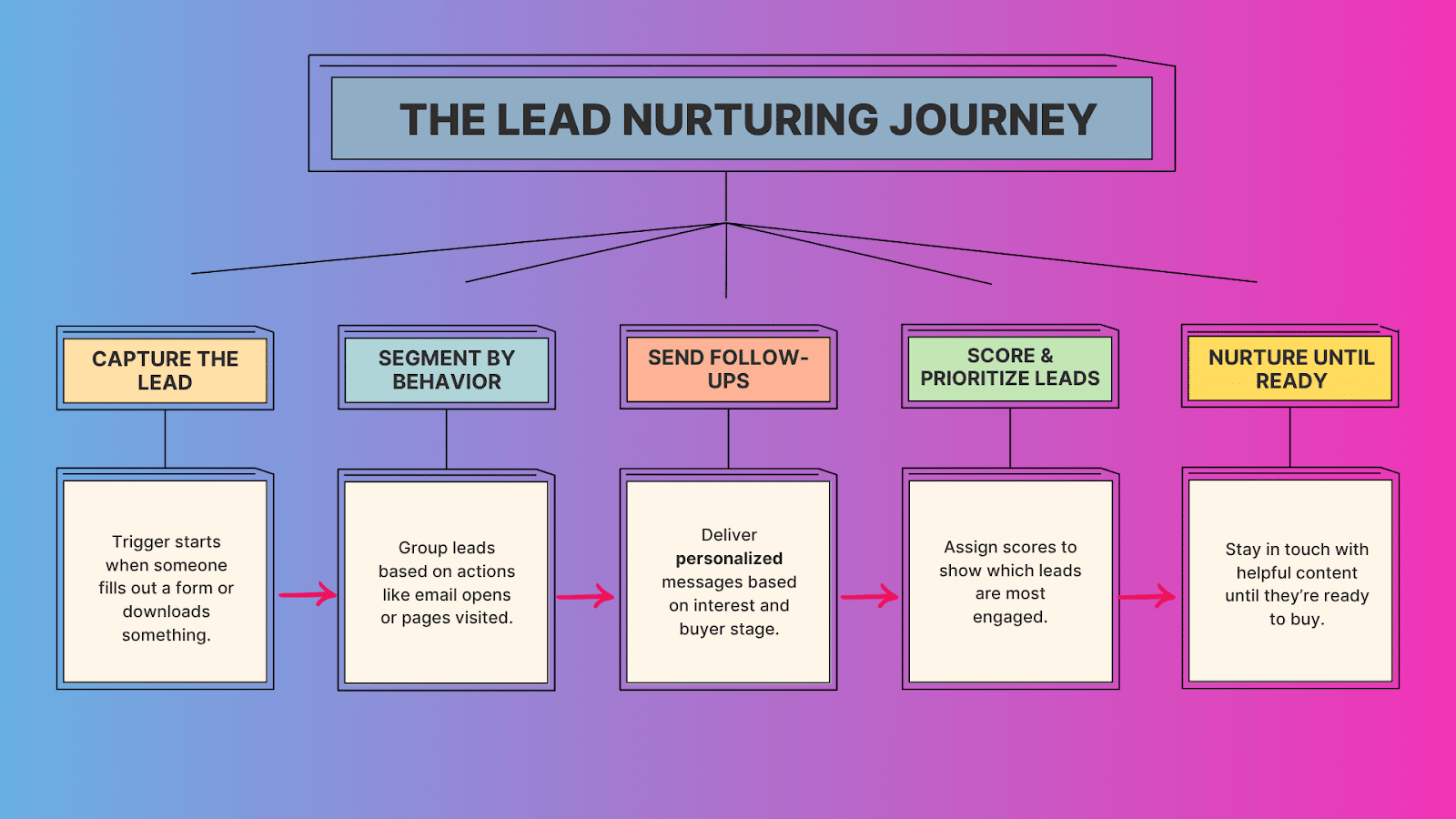
In the fast-paced digital marketplace, businesses must cultivate relationships with potential customers in a timely, relevant, and efficient manner. Smart CRM automation for lead nurturing has emerged as a game-changing strategy that empowers companies to deliver personalized experiences at scale, accelerate sales cycles, and maximize revenue potential.
In this comprehensive article, we will explore how smart CRM automation optimizes lead nurturing processes, highlighting best practices, key technologies, and actionable tactics to help your business convert prospects into loyal customers.
Understanding Lead Nurturing and CRM Automation
Lead nurturing is the strategic process of building relationships with prospects throughout their buying journey—engaging, educating, and guiding them towards a purchase decision.
CRM automation refers to the use of technology within Customer Relationship Management platforms to automate repetitive tasks, workflows, and communications, freeing teams to focus on high-value engagements.
When combined, smart CRM automation for lead nurturing enables businesses to deliver the right message to the right lead at the right time—without manual intervention—enhancing efficiency and boosting conversion rates.
Why Smart CRM Automation is Essential for Lead Nurturing
1. Personalization at Scale
Modern buyers expect tailored communication that speaks directly to their needs, challenges, and stage in the sales funnel. Smart CRM automation enables dynamic content personalization by:
- Leveraging behavioral data such as website visits, email engagement, and content downloads
- Using demographic and firmographic information stored in the CRM
- Segmenting leads based on interests, geography, and purchase readiness
Personalized automated campaigns increase engagement, build trust, and shorten sales cycles.
2. Timely and Consistent Engagement
Research shows that leads are 21 times more likely to convert when contacted within five minutes. Smart CRM automation ensures immediate, consistent follow-ups through:
- Instant email responses triggered by lead actions
- Automated task creation for sales reps to make timely calls
- Scheduled nurturing sequences that adapt based on lead behavior
This consistent communication keeps your brand top-of-mind and prevents leads from slipping through the cracks.
3. Lead Scoring and Prioritization
Not all leads are created equal. Smart automation combined with CRM lead scoring helps prioritize prospects who are more likely to convert by assigning values based on:
- Engagement levels (clicks, opens, website visits)
- Demographic fit (role, company size, industry)
- Buying signals (demo requests, pricing inquiries)
Sales teams can focus their efforts on the hottest leads, improving productivity and conversion efficiency.
Key Components of Smart CRM Automation for Lead Nurturing
A. Automated Email Drip Campaigns
Drip campaigns send a series of pre-written emails automatically to nurture leads over time. Smart automation personalizes these sequences based on:
- Lead segments (e.g., industry, role)
- Interaction history (opened previous emails, clicked links)
- Stage in the buyer journey (awareness, consideration, decision)
CRM platforms like HubSpot, Salesforce, and Zoho enable you to build complex workflows that adjust the cadence and content dynamically, maximizing engagement.
B. Behavior-Based Triggers
Automated workflows can react to lead actions in real time, such as:
- Downloading a whitepaper
- Visiting pricing pages multiple times
- Attending a webinar
These triggers enable your CRM to send highly relevant follow-up messages or assign tasks to sales reps to engage personally.
C. Multi-Channel Automation
Lead nurturing no longer happens solely via email. Smart CRM automation integrates multiple channels, including:
- SMS and mobile notifications
- Social media retargeting
- Personalized website content
This omni-channel approach creates a seamless experience, meeting prospects wherever they are.
D. Automated Lead Assignment
Assigning leads automatically to the right sales reps based on territory, product interest, or workload balance ensures quick responses and personalized attention, a critical factor in nurturing success.
Best Practices to Maximize CRM Automation for Lead Nurturing
1. Map Your Buyer Journey Thoroughly
Understand every stage of your prospects’ journey—from initial awareness to final purchase. Use this map to design targeted automation workflows that align with their needs and challenges at each stage.
2. Keep Content Relevant and Valuable
Automated messages must provide genuine value—whether through educational content, case studies, or product demos. Avoid overloading leads with sales pitches and focus on nurturing trust.
3. Test and Optimize Continuously
Use A/B testing to optimize subject lines, email copy, send times, and workflows. Monitor engagement metrics and conversion rates to refine your automation sequences.
4. Integrate CRM with Marketing and Sales Tools
Ensure your CRM communicates seamlessly with marketing automation platforms, webinar tools, chatbots, and analytics software to create a unified lead nurturing ecosystem.
5. Maintain Data Quality
Regularly clean and update your CRM data to prevent errors in segmentation and ensure personalization accuracy. Data hygiene is essential for effective automation.
Real-World Example: Smart CRM Automation in Action
A mid-sized B2B software company implemented smart CRM automation to nurture inbound leads. They set up behavior-triggered workflows that:
- Sent an immediate welcome email after a demo request
- Delivered educational content based on industry segments
- Assigned hot leads to sales reps for follow-up calls
- Used lead scoring to prioritize outreach
Within six months, the company saw a 40% increase in lead-to-customer conversion rates and a 25% reduction in sales cycle length—demonstrating the power of intelligent CRM automation.
Conclusion: Embrace Smart CRM Automation to Elevate Lead Nurturing
Smart CRM automation is not just a convenience—it’s a necessity in today’s competitive landscape. By personalizing communication, ensuring timely engagement, and prioritizing leads effectively, businesses can nurture prospects more efficiently and convert them into loyal customers.