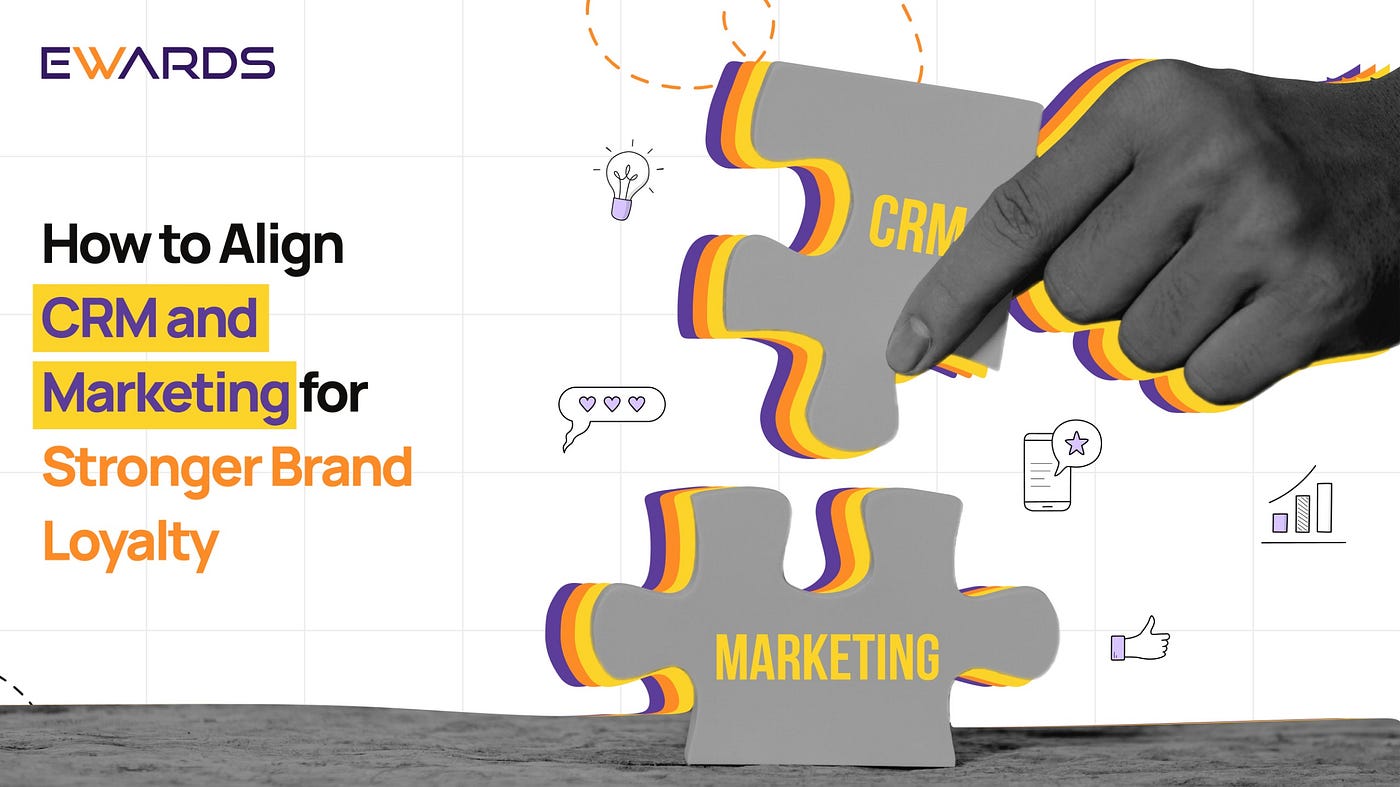
In a hyper-competitive digital marketplace, brand trust is no longer optional—it’s the currency of sustainable growth. Consumers today demand more than products or services; they seek authentic, consistent, and personalized experiences from brands. One of the most powerful tools businesses can leverage to cultivate and maintain this trust is a Customer Relationship Management (CRM) system.
A well-implemented CRM does more than manage contacts—it becomes the foundation of your customer-centric strategy, empowering businesses to build relationships rooted in transparency, responsiveness, and reliability. Here’s how CRM technology directly strengthens brand trust and solidifies your company’s reputation in the eyes of customers.
Centralizing Customer Data for Personalized Interactions
One of the cornerstones of trust is being understood. Customers want brands to recognize their preferences, history, and needs. A CRM system aggregates customer data across multiple touchpoints—email, phone, social media, web visits, and support tickets—into one unified platform. This enables businesses to deliver deeply personalized experiences that make customers feel valued.
With CRM, you can:
- Tailor messages based on purchase history and behavior
- Segment customers for targeted offers and campaigns
- Remember preferences to reduce customer friction
- Anticipate needs before they arise
When customers consistently receive relevant and helpful communication, they develop a sense of trust in the brand’s attentiveness and integrity.
Ensuring Consistency Across All Touchpoints
Consistency builds familiarity—and familiarity breeds trust. A CRM system ensures that every team member interacts with the customer using the same data and context, preventing miscommunication and reinforcing a coherent brand voice.
For example:
- Sales knows what marketing promised
- Support knows what sales delivered
- Marketing knows what the customer has already engaged with
This synchronization means customers won’t receive conflicting messages or repeat themselves endlessly to different departments. They experience your brand as one unified, professional entity, not a fragmented collection of departments.
Streamlining Response Times and Issue Resolution
Trust is fragile when responses are slow or issues go unresolved. With CRM systems, businesses can automate ticket routing, assign tasks, set reminders, and trigger escalations—ensuring that no customer query goes unnoticed.
CRM platforms improve service by:
- Logging every customer interaction
- Assigning responsibilities automatically
- Setting SLAs (Service Level Agreements)
- Providing customer histories at a glance
Customers quickly recognize brands that respond efficiently and solve problems proactively, which significantly boosts perceived reliability and trustworthiness.
Proactive Communication Builds Transparency
Customers don’t like surprises—unless it’s a discount. A CRM system empowers businesses to communicate proactively. Whether it’s a shipment delay, product update, or policy change, transparency in communication demonstrates accountability and respect for the customer.
CRM tools allow businesses to:
- Send timely updates via email or SMS
- Notify customers about important changes
- Provide automated follow-ups and confirmations
- Keep customers in the loop on service progress
Being upfront and transparent, even about setbacks, deepens trust because customers appreciate honesty over perfection.
Strengthening Long-Term Relationships With Loyalty Programs
CRM software often integrates with loyalty programs, allowing businesses to reward repeat customers and celebrate milestones like birthdays, anniversaries, or purchase thresholds. These personalized gestures are made possible by the data housed in the CRM, enabling brands to show appreciation in meaningful ways.
Key trust-building CRM features include:
- Reward tracking and automatic point updates
- Personalized thank-you messages
- VIP program segmentation
- Referral incentives
When customers feel valued and remembered, they’re more likely to become brand advocates—and brand advocates are built on a foundation of deep trust.
Data Security and Compliance Transparency
Trust today extends into the digital realm of data privacy and protection. CRM systems that prioritize data security, user permissions, and GDPR compliance not only protect customer data but also demonstrate the brand’s commitment to ethical practices.
Modern CRMs offer:
- Role-based access control
- Encryption of sensitive data
- Consent tracking and opt-in management
- Transparent data use policies
When customers know their data is safe and respected, it strengthens their confidence in your brand’s integrity.
Tracking and Acting on Feedback
CRMs can capture and organize customer feedback through surveys, reviews, support conversations, and net promoter scores (NPS). This feedback is invaluable in identifying gaps in service or product offerings—and CRM tools make it easy to act on those insights.
Using CRM analytics, you can:
- Monitor satisfaction trends
- Identify recurring complaints
- Send follow-up emails post-resolution
- Adjust messaging or offerings based on feedback
Taking feedback seriously—and making visible improvements—shows customers that your brand listens and evolves. This reinforces loyalty and trust over time.
Automating Ethical and Responsible Engagement
Automation in CRM isn’t just about speed—it’s about responsibility. Brands can use CRM automation to:
- Avoid spamming by setting contact frequency limits
- Send opt-in confirmations
- Remind customers of subscription renewals or billing updates
- Maintain records of consent
This type of responsible automation communicates to your customers that your brand respects their time, preferences, and autonomy—all crucial elements in establishing trust.
Building Trust With CRM-Driven Social Proof
By tracking customer interactions, purchase behavior, and satisfaction scores, CRMs help identify your happiest customers. These advocates can be nurtured to provide testimonials, reviews, and referrals that serve as social proof for your brand.
CRM helps you:
- Segment and engage high-satisfaction clients
- Send review requests after positive interactions
- Incentivize referrals to drive word-of-mouth
Social proof is one of the most powerful psychological drivers of trust, and CRM systems provide the infrastructure to leverage it at scale.
Conclusion: CRM is the Backbone of Brand Trust
Trust is not built overnight, and it’s not built through marketing alone—it’s built through consistent, thoughtful, data-driven customer experiences. A powerful CRM system enables your business to be reliable, responsive, personalized, and transparent at every customer touchpoint. It turns data into trust, transactions into relationships, and customers into lifelong advocates.